Protecting an art studio requires a thorough understanding of roof inspections. These evaluations are vital for identifying vulnerabilities that could threaten both the structure and the artwork within. Common issues, such as leaks or mold, can escalate if not addressed promptly. Understanding the inspection process and its significance can help studio owners maintain a safe environment. However, many remain unaware of the specific steps involved and the common pitfalls to avoid. What follows is essential information on these important assessments.
Key Takeaways
- Regular roof inspections help identify potential leaks and structural weaknesses, safeguarding your art studio’s integrity.
- A thorough evaluation detects issues like missing shingles and drainage problems, preventing costly damage.
- Inspecting for mold and moisture ensures a safe environment for storing and creating artworks.
- Utilizing specialized tools, inspectors can uncover hidden problems that may not be visible during a basic check.
- Post-inspection maintenance, including debris removal and prompt repairs, prolongs your roof’s lifespan and protects your creative space.
Why Roof Inspections Are Essential for Your Art Studio
Roof inspections are crucial for any art studio, as they play an important role in maintaining the integrity of the structure. These inspections identify potential issues, such as leaks or structural weaknesses, that could compromise the studio’s environment. Regular assessments guarantee that the roof can withstand weather conditions, protecting valuable artworks and materials. Understanding how roof inspections work allows studio owners to prioritize maintenance, enhancing longevity and safety. By employing trained professionals, studios can receive detailed evaluations that inform necessary repairs or upgrades. This proactive approach fosters a secure atmosphere, assuring that artists can focus on their creative pursuits without the distraction of structural concerns. Ultimately, roof inspections are a critical investment in the studio’s future and artistic community.
What to Expect During Roof Inspections: How Roof Inspections Work?
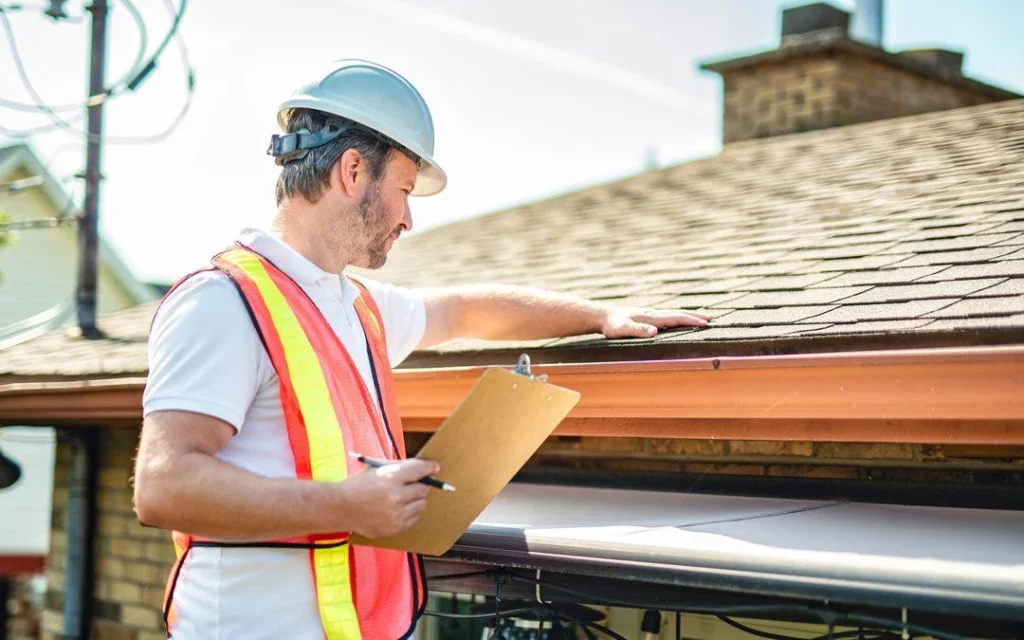
How do professional roof inspectors assess the condition of a studio’s roof? They begin with a thorough visual examination, identifying signs of wear, damage, or deterioration. Inspectors evaluate materials, checking for issues such as missing shingles or cracked tiles. They also assess drainage systems, ensuring gutters and downspouts function effectively. Utilizing specialized tools, they may conduct moisture readings to detect hidden leaks. Inspectors examine flashing and seals around vents and chimneys, noting any potential weaknesses. Following the visual assessment, they may provide a detailed report, outlining findings and recommendations. Understanding how roof inspections work empowers studio owners to maintain their creative space, safeguarding it from future issues and ensuring a conducive environment for artistic endeavors.
Common Issues Found During Roof Inspections
During a roof inspection, various common issues may arise that warrant attention from studio owners. One prevalent concern is the presence of missing or damaged shingles, which can compromise the roof’s integrity. Additionally, leaks may be detected at joints or flashings, often caused by deteriorating sealants. Ponding water, typically found on flat roofs, can lead to structural damage if not addressed promptly. Moreover, the inspector may identify signs of mold or mildew, indicating prolonged moisture exposure. Debris accumulation in gutters and downspouts can obstruct water flow, resulting in potential overflow. Finally, the presence of rust or corrosion on metal components can signal the need for maintenance. Addressing these issues proactively can safeguard the studio’s artistic environment.
Step-By-Step Process of Roof Inspections
A thorough roof inspection typically unfolds through a systematic step-by-step process designed to evaluate the condition and functionality of the roofing system. Initially, the inspector assesses the exterior, examining shingles, flashing, and gutters for visible damage. Next, they inspect the interior, checking for signs of leaks, moisture, or mold in the attic and ceilings. The inspector may also evaluate ventilation systems and insulation for effectiveness. Following this, specialized tools, such as infrared cameras, may be employed to detect hidden issues. Finally, the inspector compiles a detailed report outlining findings, recommendations, and potential repairs. Understanding how roof inspections work not only safeguards the integrity of the roof but also fosters a sense of community among studio owners committed to preserving their creative spaces.
How to Maintain Your Roof After an Inspection
Maintaining a roof after an inspection is essential for guaranteeing its longevity and performance. Following the findings of the inspection, property owners should adopt a proactive approach to upkeep. This not only enhances the roof’s durability but also protects the art studio’s interior from potential damage.
- Regular Cleaning: Remove debris, leaves, and moss to prevent water accumulation and deterioration.
- Prompt Repairs: Address any identified issues, such as leaks or damaged shingles, promptly to avoid further complications.
- Seasonal Checks: Conduct regular seasonal inspections to ensure the roof remains in prime condition and to catch any emerging problems early.
Frequently Asked Questions
How Often Should I Schedule Roof Inspections for My Art Studio?
Experts recommend scheduling roof inspections at least twice a year for ideal maintenance. Regular assessments help identify potential issues early, ensuring the longevity of the art studio’s roof and protecting valuable artwork from damage.
Can I Perform a Roof Inspection Myself?
While individuals can perform basic roof inspections, professional assessments are recommended for thorough evaluations. Expertise guarantees potential issues are identified correctly, safeguarding the integrity of the structure and maintaining a conducive environment for artistic endeavors.
What Qualifications Should I Look for in a Roof Inspector?
When selecting a roof inspector, one should seek certifications, relevant experience, and insurance coverage. Additionally, verifying client reviews and ensuring familiarity with various roofing materials enhances the likelihood of a thorough and reliable inspection.
How Much Do Roof Inspections Typically Cost?
Roof inspections typically cost between $200 and $500, depending on factors such as location, roof size, and inspector expertise. Understanding these costs is essential for effective budgeting and maintaining the integrity of one’s property.
What Should I Do if My Roof Fails an Inspection?
If a roof fails an inspection, it is essential to consult a qualified roofing contractor for a detailed assessment, prioritize necessary repairs, and implement preventive measures to avoid future issues and guarantee long-term structural integrity.
Conclusion
In summary, understanding roof inspections is essential for safeguarding an art studio. Regular evaluations not only detect potential hazards such as leaks and structural weaknesses but also contribute to the longevity of both the roof and the artwork it protects. By adhering to a systematic inspection process and addressing common issues proactively, artists can create a secure environment that fosters creativity and preserves their valuable work. Ultimately, a well-maintained roof is an investment in artistic integrity.
You May Also Like to Read: